The Ultimate First-Timer's Guide to Banff National Park (2026)

Every year, millions of visitors arrive in Banff expecting beautiful mountain views, turquoise lakes, and wildlife. While Banff certainly delivers on all those things, many first-time visitors leave feeling overwhelmed by crowds, parking issues, and uncertainty about what is worth their time.
As someone who spends a lot of time exploring Banff and helping visitors experience the Rockies, I wanted to put together a guide that answers the questions I hear most often.
Whether you're visiting for two days or two weeks, here's how to make the most of your time in Banff National Park.
Before You Arrive
The biggest mistake visitors make is assuming Banff is a small mountain town where they can simply show up and figure things out.
Summer visitation has exploded in recent years, and planning can make the difference between a magical experience and spending half your day searching for parking.
Things to know before arriving:
Banff National Park requires a Parks Canada pass.
Popular attractions often fill up early.
Wildlife sightings are never guaranteed.
Mountain weather changes quickly.
Cell service can be unreliable outside town.
Always pack layers, even during summer.

How Many Days Do You Need?
2 Days
Enough time to see the highlights:
Banff Townsite
Lake Louise
Moraine Lake
Johnston Canyon
4-5 Days
Ideal for most visitors:
All major attractions
Scenic drives
Wildlife viewing
A few hikes
7+ Days
Allows for deeper exploration:
Icefields Parkway
Yoho National Park
Kananaskis Country
Longer hikes and hidden gems
The Lakes Everyone Talks About
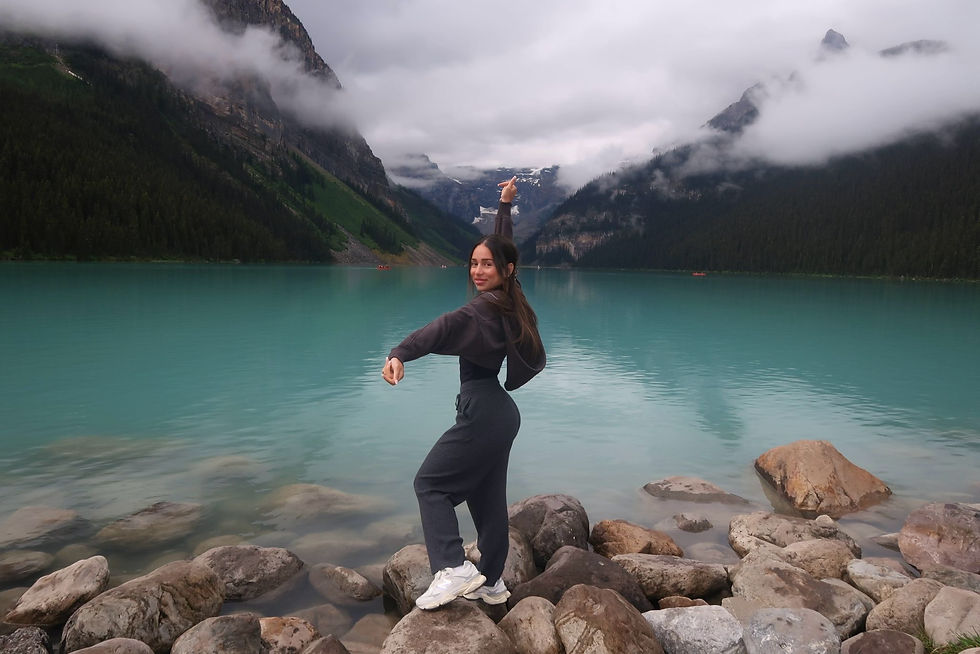
Lake Louise
Lake Louise is famous for a reason.
The lake's incredible turquoise color comes from glacial rock flour suspended in the water.
Arrive early.
Very early.
During summer, parking can fill before 7:00 a.m.
Best activities:
Lakeshore walks
Lake Agnes Tea House hike
Plain of Six Glaciers hike
Canoeing
Moraine Lake
If you've seen a photo of Banff on social media, there's a good chance it was Moraine Lake.
Located in the Valley of the Ten Peaks, this lake is often considered one of the most beautiful places in Canada.
Things to know:
Personal vehicles are not allowed on Moraine Lake Road.
Shuttle access is required.
Sunrise is spectacular.
The Rockpile Trail offers the iconic view.
The Best Scenic Drive in North America
Icefields Parkway
The drive between Lake Louise and Jasper is one of the most scenic roads in the world.
Do not rush it.
Major stops include:
Bow Lake
A stunning glacial lake with fewer crowds.
Peyto Lake
One of the most photographed viewpoints in Canada.
Mistaya Canyon
Short walk, incredible canyon views.
Columbia Icefield
One of the largest icefields south of the Arctic.
Allow a full day if possible.

Where to See Wildlife
This is probably the question visitors ask most.
While wildlife sightings can never be guaranteed, your chances improve dramatically if you know where and when to look.
Best times:
Sunrise
Sunset
Best areas:
Bow Valley Parkway
Vermilion Lakes
Lake Minnewanka area
Icefields Parkway
Common sightings:
Elk
Bighorn sheep
Deer
Coyotes
Less common:
Black bears
Grizzly bears
Moose
Wolves
Remember:
Wildlife should always be viewed from a safe distance.
If an animal changes its behavior because of your presence, you're too close.
Best Easy Hikes
Johnston Canyon
One of the most accessible hikes in the park.
Highlights:
Lower Falls
Upper Falls
Catwalks through the canyon
Go early to avoid crowds.
Tunnel Mountain
Perfect for visitors wanting a summit without committing to a full-day hike.
Distance: Approximately 4.5 km round trip.
Reward: Amazing views overlooking Banff.
Fenland Trail
A quiet forest walk close to town.
Great for:
Families
Bird watching
Relaxed exploration
Best Moderate Hikes
Lake Agnes Tea House
One of Banff's classic hikes.
Distance: Approximately 7 km round trip.
Highlights:
Mountain views
Historic tea house
Lake Agnes
Plain of Six Glaciers
An excellent extension beyond Lake Agnes.
Less crowded and arguably more rewarding.
Best Places to Watch Sunrise
Moraine Lake
Vermilion Lakes
Peyto Lake
Two Jack Lake
Bow Lake
The mountains often glow pink and gold before the sun reaches the valley floor.
It's worth the early alarm.
Best Places to Watch Sunset
Lake Minnewanka
Vermilion Lakes
Mount Norquay Lookout
Cascade Ponds
Two Jack Lake
What to Do if It Rains
Bad weather doesn't mean a bad trip.
Consider:
Banff Upper Hot Springs
Cave and Basin National Historic Site
Banff museums
Local cafés and restaurants
Scenic drives
Cloudy weather can create some of the most dramatic mountain photography.
Common Mistakes Visitors Make
Arriving too late
Popular locations are busiest between 10 a.m. and 4 p.m.
Underestimating travel times
Mountain driving is slower than expected.
Ignoring weather forecasts
Conditions can change rapidly.
Feeding wildlife
This is dangerous and illegal.
Trying to do everything
Banff rewards slowing down and enjoying the experience.

A Sample 3-Day Banff Itinerary
Day 1
Banff Townsite
Bow Falls
Tunnel Mountain
Vermilion Lakes sunset
Day 2
Moraine Lake sunrise
Lake Louise
Lake Agnes hike
Banff evening
Day 3
Icefields Parkway
Bow Lake
Peyto Lake
Columbia Icefield
Final Thoughts
Banff is much more than a checklist of famous lakes and viewpoints.
Some of the most memorable moments happen when you're watching the sunrise over a quiet lake, spotting wildlife from a safe distance, or simply sitting beside a mountain river and taking it all in.
The Rockies have a way of making people slow down and appreciate how incredible the natural world can be.
If you're planning a trip and have questions about Banff, Lake Louise, wildlife viewing, hiking, transportation, or itinerary planning, feel free to ask below.


Comments